

Bonaire News

Protecting Bonaire’s Natural Wonders
October 30, 2026
How we care for the island that cares for all of us
Bonaire is not a backdrop. It’s a living island, reefs that breathe, forests that whisper, salt pans that shimmer pink at dawn. We don’t just visit nature here; we belong to it. That’s why protecting Bonaire’s natural wonders isn’t a project with an end date. It’s who we are, every single day. Here’s how we protect it, who we protect it with, and why it matters to every person who calls this island home, or home for a week.
Because when you live on an island, you understand something simple: love your island, and it will love you back.

1. A Promise We Keep: Preserving Bonaire for Generations
When you live surrounded by the sea, you feel how connected you are to nature. It’s why we’re so fiercely overprotective of the lands, seas and reefs entrusted to us. We see ourselves as stewards of the island, and we’ve built a strategic master plan to keep growth from spoiling the gifts nature gave us. From the Ramsar-protected wetlands where turtles nest and migratory birds rest, to the reefs that ring our entire coast, we work to keep this balance of Human Nature and Mother Nature whole.
FAQs:
- Q: What is Bonaire doing to protect its nature long-term?
A: A strategic master plan guides development so it never outgrows the island’s fragile habitats. - Q: Which habitats are protected here?
A: Wetlands, reefs, dry forest and more, many under international protection like the Ramsar Convention. - Q: Is this only the government’s job?
A: No. Conservation on Bonaire is a shared effort between TCB, NGOs, businesses, residents and visitors.
2. Our Reefs, Reborn: The Latest from Reef Renewal
Our reefs are more than scenery, they are living ecosystems that feed our fish, shield our shores and draw divers from around the world. And they need us now. Scientists remapping Bonaire’s coast found that living coral cover has fallen sharply over the past fifty years, a wake-up call the whole island hears.
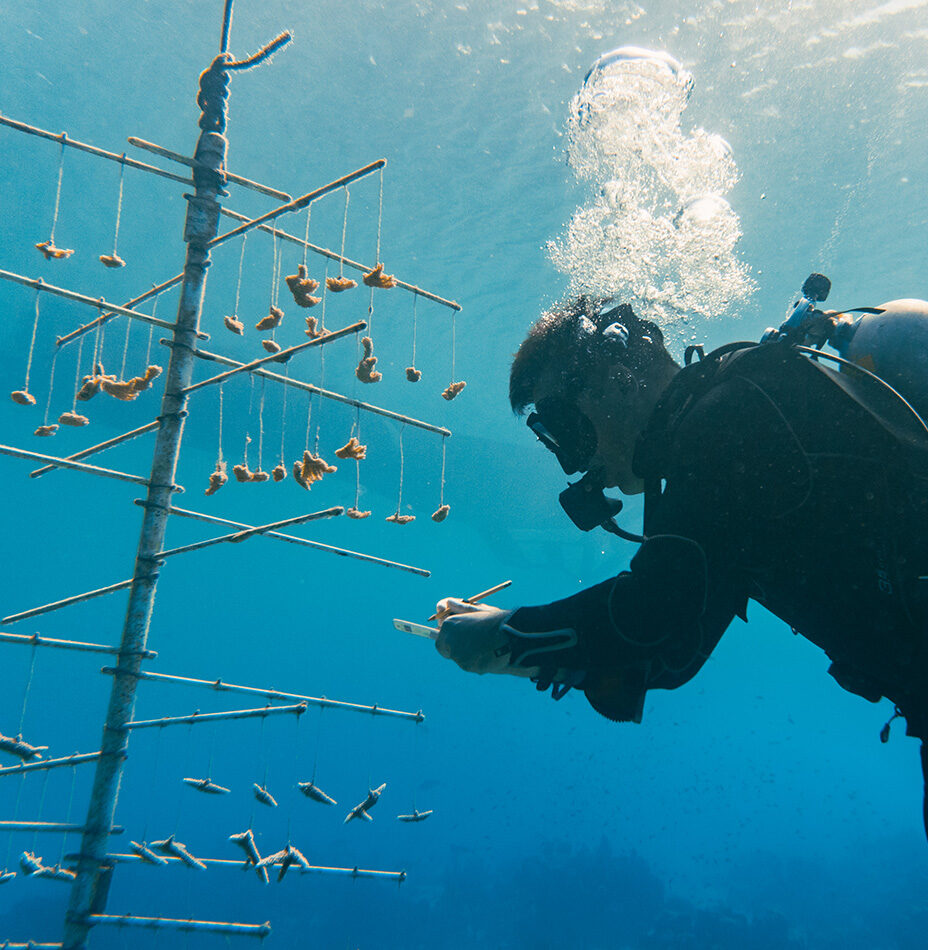
That’s where Reef Renewal Foundation Bonaire (RRFB) comes in. Their latest milestone is a true first for the island: RRFB scientists successfully bred the critically endangered pillar coral (Dendrogyra cylindrus) for the first time in Bonaire’s history. Pillar coral is called the “canary of the reef”, the first to show stress when the ocean changes, and only scattered colonies remain. In the same period, the team also raised 56,000 staghorn coral larvae and over 26,000 young grooved brain coral. They’ve expanded their Lac Bay nursery to grow a wider range of stony corals, and have now planted around 20,000 pieces of coral around the island.
This is hope you can dive into, and proof that active restoration works.
FAQs:
- Q: What is reef renewal?
A: Growing healthy coral in nurseries, through fragmentation and breeding, then planting it back onto the reef. - Q: What’s the newest breakthrough?
A: The first-ever breeding of critically endangered pillar coral on Bonaire, a species on the edge of local extinction. - Q: Can visitors help?
A: Yes, certified divers can join RRFB programs, and anyone can adopt a coral to fund the work.

3. Guardians of Land and Sea: STINAPA & the Nature Tag
Every reef, beach and trail you love is watched over by STINAPA Bonaire, who manage our national parks on land and the Marine Park that surrounds our entire coastline. Here’s the beautiful part: our parks are funded almost entirely by the people who enjoy them. The Nature Tag that every water visitor buys goes straight back into protecting everything from seagrass beds to beaches. You pay it once, and it protects Bonaire forever.
FAQs:
- Q: What is the Nature Tag?
A: A required fee for water activities that funds the conservation of Bonaire’s marine and terrestrial parks. - Q: Who manages Bonaire’s parks?
A: STINAPA, the non-profit entrusted with the Washington Slagbaai National Park and the Bonaire National Marine Park. - Q: Where does the money go?
A: Almost entirely into maintaining and protecting the island’s nature, it’s funded by visitors, for nature.

This island gives us everything.
Now it’s our turn to give back.
Take the Bonaire Bond and help keep our nature wild, blue, and alive, for all of us.

4. Many Hands, One Island: Our Conservation Partners
No single group protects Bonaire alone. Through the Bonaire Nature Platform, the island’s conservation organizations meet monthly and work in task groups to speak with one unified voice for nature. Each partner guards a piece of the whole:
- Sea Turtle Conservation Bonaire protects the three endangered sea turtle species native to our waters.
- Echo Bonaire brings back the Yellow-shouldered Amazon parrot by restoring its dry forest home.
- Mangrove Maniacs keep our mangroves, the ocean’s nursery, alive and flowing.
- Wild Bird Rehab care for and heal the island’s injured wildlife.
- Dive Friends Bonaire run quarterly clean-up dives, where locals and visitors pull trash from the sea together.
FAQs:
- Q: How do Bonaire’s conservation groups work together?
A: Through the Bonaire Nature Platform, a monthly table where reef, mangrove, forest, turtle and bird experts align their efforts. - Q: Can visitors join a clean-up?
A: Yes, Dive Friends Bonaire welcomes volunteer divers and snorkelers to their quarterly clean-ups. - Q: Why so many organizations?
A: Because the island is one connected system, reefs, forests and wetlands each need dedicated care.

5. The Bonaire Bond & The Coral Campaign
Protection isn’t only for us, it’s an invitation. The Bonaire Bond is a simple pledge every visitor can take: to be mindful of the ocean, courteous to wildlife, eco-conscious with plastic, to leave no trace, and to respect our community. And we take it a step further. For every visitor who commits, the island adopts a coral tree through Reef Renewal on their behalf, and each tree nurtures over 100 pieces of coral. Pack a reusable bottle (our tap water is pure), choose reef-safe sunscreen, and explore the Beyond Plastic E-Learning program. Small choices, big ripples.
FAQs:
- Q: What is the Bonaire Bond?
A: A visitor pledge to respect Bonaire’s ocean, wildlife, land, water and people during their stay. - Q: What is the Coral Campaign?
A: For visitors who take the pledge, the island adopts a coral tree with Reef Renewal, each one growing 100+ corals. - Q: How can I travel more gently here?
A: Use reef-safe sunscreen, skip single-use plastic, keep your distance from wildlife, and leave only footprints.

6. Blue to the Core: A Sustainable Future
Bonaire was the world’s first Blue Destination, committed to the sustainable use of ocean resources, and you can find Blue Certified companies all across the island. We’re not standing still. We’ve embraced sustainable energy with the aim of becoming completely carbon neutral in the coming years, and our Earthonauts Program reminds travelers that some of the most precious places left to explore are right here on our own planet. The future we want, we’re already building.
FAQs:
- Q: What does “Blue Destination” mean?
A: A destination committed to protecting its ocean resources, and Bonaire was the first in the world. - Q: What’s next for Bonaire’s sustainability?
A: Clean, sustainable energy with the goal of becoming carbon neutral in the next few years. - Q: What is the Earthonauts Program?
A: A TCB sustainability mission showing travelers there are still wild, worth-protecting places on Earth.
7. The Chain of Links: Why This Matters to Everyone
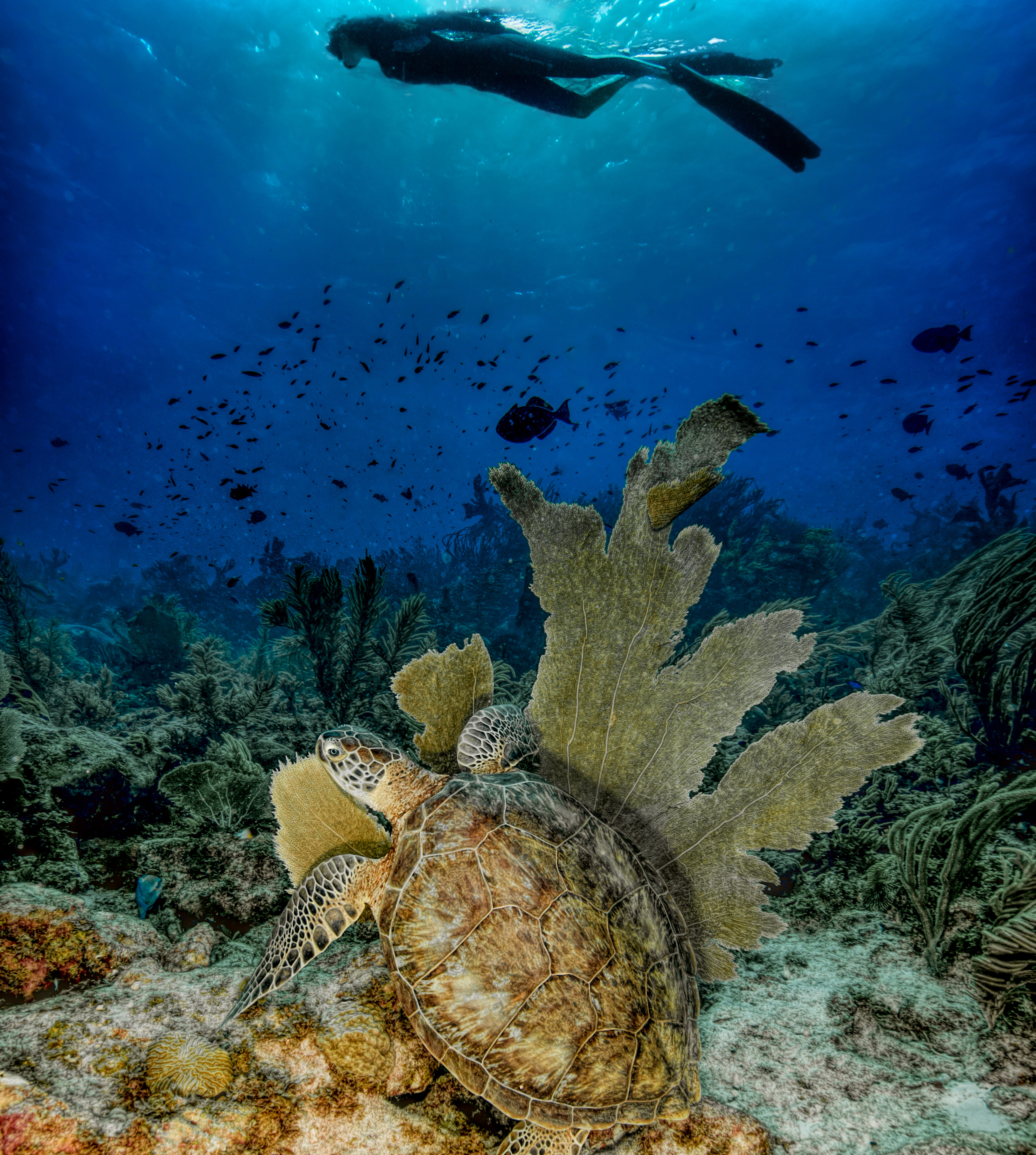
Here’s the heart of it. Bonaire is the product. The reefs, the flamingos, the clean water, the quiet trails, this is what draws the world to us, and it’s what keeps our island living. For Tourism Corporation Bonaire, standing behind conservation isn’t charity. it’s stewardship of the very thing we share with visitors. A sick reef means fewer fish, fewer divers, fewer guests. and that touches every link in the chain.
And the chain runs through all of us. A healthy reef protects the shoreline, which protects homes. It feeds the fish, which feed families and fill restaurants. It draws the diver, who fills the hotel, who employs the neighbor, who supports the local shop. Reef Renewal grows the coral, STINAPA guards the park, the visitor’s Nature Tag pays for it, the Bonaire Bond adopts the coral tree — round and round it goes. When one link is strong, the whole island benefits. When one is weak, we all feel it. That’s why we protect Bonaire together: Mother Nature loves Human Nature loves Mother Nature.
FAQs:
- Q: Why does TCB invest in conservation?
A: Because Bonaire’s nature is the product, keeping it healthy keeps the whole island’s economy and community healthy. - Q: How is everything connected?
A: Reefs protect shores and feed fish; healthy nature draws visitors; visitors fund conservation, each link supports the next. - Q: What’s the one thing I can do?
A: Take the Bonaire Bond, respect the parks, and travel gently. Your choices ripple across the whole island.
Bonaire is just one big piece of coral, as precious above the water as it is below. Every pledge taken, every coral planted, every piece of trash lifted from the sea is a thread in the same cloth. We protect this island not because we have to, but because it’s part of us, and we’re part of it.
Come see what we’re protecting. Then help us keep it that way.